
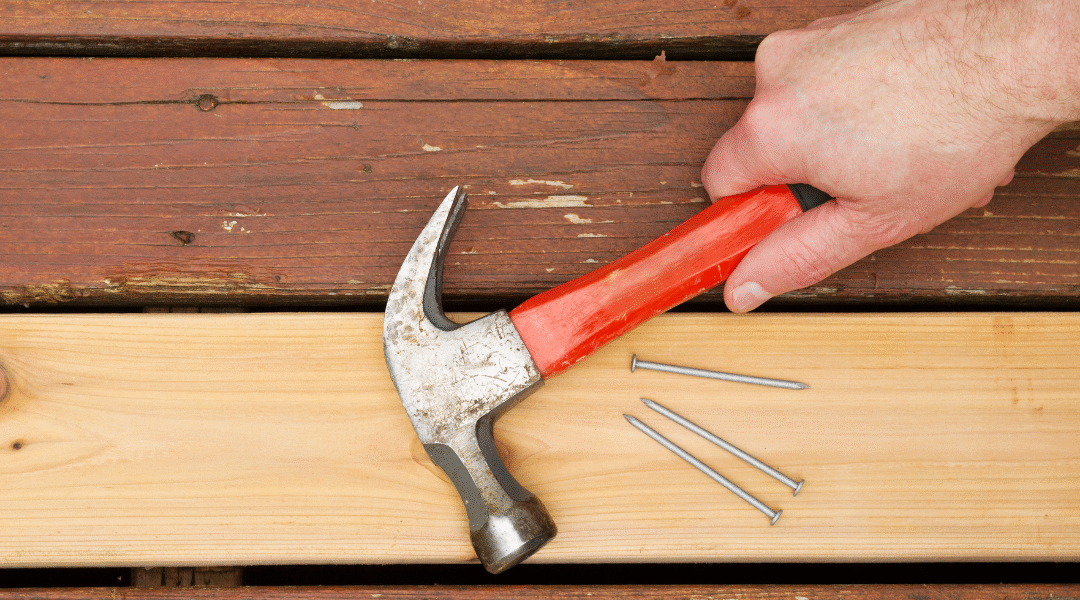
When your deck starts looking worn out or worse, feeling shaky—the big question shows up fast: should you repair or replace it? The right answer depends on one thing first: safety. After that, it comes down to how widespread the damage is, what the structure looks like underneath, and whether you’re spending money repeatedly on fixes that never really solve the problem.
At Core Improve, we help Chicago-area homeowners make this decision the right way: inspect first, then choose the smartest path—repair, resurface, or replace—based on what your deck actually needs.
Quick Answer: Repair, Resurface, or Replace?
Most articles talk about “repair vs replace,” but in real life, there are often three options. Knowing which one fits can save you thousands and prevent unnecessary work.
Repair: Best For Small, Localized Problems
Repair is usually the right move when the deck has minor wear and the structure is still strong. Think loose railing sections, a few damaged boards, popped fasteners, or small cracks.
Resurface (Redeck): Best When the Frame Is Solid but the Surface Is Done
Resurfacing means you replace the deck boards, rails, and stairs while keeping the underlying frame—only if that frame and the connection to the house are in good shape. This option can be a great middle ground when your deck looks rough but the structure still has life.
Replace: Best When the Structure Is Failing or Repairs Keep Adding Up
Replacement is usually the best option when there’s structural rot, major movement, widespread damage, or you’re constantly repairing one part after another. If the deck is unsafe, replacement stops being a “maybe” and becomes a priority.
Start With Safety: The Red Flags That Usually Mean “Stop and Replace”
Before you think about stain, boards, or appearance, you need to know if the deck is safe. A deck can look “okay” on top and still be failing underneath.
Structural issues aren’t something to ignore or patch over. If the deck has movement, rot in the framing, or problems where it attaches to the home, repairs can become a temporary bandage instead of a real fix.
The “House Connection” Matters More Than the Boards
The most important part of an attached deck is the area where it connects to the house—especially the ledger board and the flashing that keeps water out. If water has been getting in behind that connection for years, you can end up with rot where you can’t easily see it.
If you notice the deck pulling away from the home, gaps forming, or visible movement at the connection, treat it as a serious issue.
Signs Your Deck May Be Structurally Unsafe
If you notice any of the following, you should assume replacement (or at least a professional inspection) is on the table:
- The deck wobbles, sways, or bounces when you walk
- Posts are leaning, sinking, or shifting
- Wood feels soft, spongy, or crumbles when poked
- The deck is pulling away from the house
- Joists or beams show deep cracks, rot pockets, or sagging
- Stair stringers feel unstable or the stairs move under weight
- Railings feel loose or can be pushed easily (this is a safety issue, not cosmetic)
When To Get a Pro Inspection Immediately
If your deck is elevated, attached to your home, or showing any movement—especially near the house connection—get it checked. Structural problems aren’t always visible on top, and ignoring them can turn into a major safety risk.
A Simple Deck Check You Can Do in 15 Minutes
You don’t need to be a contractor to do a quick reality check. Here’s a simple walkthrough you can do before making any decisions.
Step 1: Walk the Surface
Take a slow walk across the deck and pay attention to how it feels.
Look for:
- Soft spots or boards that flex more than others
- Deep splintering or severe cracking
- Boards that are cupping, warping, or separating
- Areas where water sits after rain or snow
Step 2: Look Underneath (If You Can Safely Access It)
If you can safely see the underside, check the framing.
Look for:
- Dark staining or consistent damp areas
- Joists or beams that look split or sagging
- Rot around the ends of joists where they meet beams or the ledger
- Rusting connectors, hardware, or fasteners
A simple way to check for rot is the “firmness test.” If you gently press a screwdriver into a suspicious spot and it sinks in easily, that wood may be compromised.
Step 3: Check the Connection Points
Deck problems often show up where things meet: joists to beams, beams to posts, rail posts to framing, and especially the ledger connection to your home.
If the deck feels loose at those areas, you’re likely looking at more than a surface-level repair.
When Repair Is the Smart Move
If the deck structure is solid and the damage is isolated, repairs can be the most cost-effective option. Repairs make sense when they solve the actual problem—not when they keep you stuck in a cycle of patching.
Repair Is Usually Best When:
- Only a few boards are damaged or rotting
- Railings need tightening or selective replacement
- Fasteners or connectors need upgrading
- The frame, posts, and beams are still strong
- You want to extend the deck’s life for a few more years
A good repair plan should address causes too—like drainage issues or water exposure—not just symptoms.
Repair Is Also a Practical Choice When Budget Matters
Sometimes homeowners need a safe, responsible fix without taking on a full rebuild right now. The key is making sure the deck is still structurally sound so repairs aren’t just delaying the inevitable.
When Resurfacing (Redecking) Beats Both Repair and Full Replacement
This is one of the most overlooked options—and it’s often the best one.
If your deck boards are worn, splintered, and ugly, but the framing is still solid, resurfacing can give you a “new deck feel” without rebuilding everything.
What Resurfacing Typically Replaces
- Deck boards
- Railings and balusters
- Stairs and treads
- Fascia and trim boards (if needed)
The goal is to modernize the deck’s look and feel while keeping the sound structure underneath.
When Resurfacing Is a Bad Investment
Resurfacing is a mistake if the structure is questionable. If the joists, beams, posts, footings, or ledger connection are compromised, replacing boards on top is like putting new tires on a car with a failing frame.
Upgrading to Composite? Confirm the Frame Is Built for It
Composite decking is a great choice for many homeowners, but it can require tighter framing spacing and proper support. If your existing structure wasn’t built with those requirements in mind, the frame may need modifications—or a rebuild—to do the upgrade correctly.
When Replacement Is the Better (and Safer) Decision
Replacement isn’t always about “age.” It’s about the condition of the structural system and whether repairs are still reasonable.
Damage Thresholds That Usually Tip the Scale
Replacement is often the right call when:
- Rot is widespread, especially in structural components
- The deck has noticeable sway, bounce, or shifting
- Posts or beams are failing
- The deck is pulling away from the house
- You’ve already repaired multiple areas and new problems keep appearing
- A major portion of the deck boards are compromised
- Stairs and railings have repeated safety issues
A Simple Cost Rule That Helps You Decide
If you’re spending a lot on repairs and still don’t trust the deck—or if repairs are approaching a big chunk of what a rebuild would cost—replacement usually gives you better long-term value.
Repairs make sense when they meaningfully extend the deck’s life. If they don’t, replacement stops being “expensive” and starts being “smart.”
Age Isn’t Everything, But It Matters
Many wood decks start needing serious work after a decade or so—especially if maintenance has been inconsistent or the deck has poor drainage. But we’ve also seen older decks last longer when they were built right and maintained properly.
The point is: don’t decide based on a number. Decide based on structure.
Cost vs Value: What You’re Really Buying With a Rebuild
A rebuilt deck isn’t just “new boards.” It’s the chance to fix the design and structure so you aren’t fighting problems every year.
Replacement Can Deliver:
- Better safety and stability
- Stronger connections and modern hardware
- Improved drainage and long-term durability
- A design that matches how you actually use the space
- A chance to upgrade materials and reduce maintenance
If you’re planning to stay in your home for years, replacement often pays off in peace of mind and fewer ongoing repairs.
Material Choices That Make Sense in Chicagoland Weather
Chicago weather is tough on exterior wood: moisture, heat, freeze/thaw cycles, and constant seasonal change. Material choice matters—but so does the build quality and maintenance plan.
Wood Options
- AC2 pressure-treated: popular, cost-effective, needs regular staining/sealing
- Cedar: beautiful natural look, still needs protection and maintenance
- Ipe: premium hardwood, extremely durable, higher cost, requires proper installation
Composite Options (Like Trex Enhance / Select / Transcend)
- Lower maintenance compared to wood
- Great long-term durability
- Higher upfront cost
- Needs correct framing and ventilation to perform well
The Maintenance Plan Matters as Much as the Material
Even the best deck will fail early if water is trapped, drainage is poor, or stain/seal cycles are ignored. A strong deck isn’t just built—it’s maintained.
Permits and Practical Triggers (Simple Version)
Small repairs often don’t trigger permit requirements. But full replacement and structural changes often can—especially if you’re changing height, footprint, or attachment.
A professional contractor can guide you on what applies in your suburb and handle the process properly.
A 10-Question Deck Decision Checklist
If you want a fast way to decide, answer these honestly:
- Is the deck pulling away from the house?
- Do you feel sway or bounce when walking?
- Is there rot in posts, beams, or joists?
- Are connectors or fasteners rusted or failing?
- Are a large number of boards soft, cracked, or splitting?
- Have you repaired the deck multiple times in the last 3–5 years?
- Are stairs unstable or shifting?
- Are railings loose or unsafe?
- Do you plan to stay in the home 5+ years?
- Do you want to upgrade to composite or redesign the layout?
If you answered “yes” to the structural and safety questions, replacement—or at least a professional inspection—should be your next step.
How Core Improve Helps Homeowners Decide (Chicago & Suburbs)
At Core Improve, we don’t push a one-size-fits-all answer. We look at your deck and help you choose the smartest option: repair, resurface, or replace.
We’re a family-owned, fully insured team with 20+ years of experience serving homeowners across Cook County, Lake County, DuPage County, McHenry County, Kane County, Kendall County, DeKalb County, and Boone County. We build and restore decks using quality materials—pressure-treated wood, cedar, Ipe, and composite options like Trex—based on what fits your home, your goals, and your budget.
If you want a clear recommendation, the best next step is simple:
Call 847-778-6554 or request a free estimate—and we’ll help you make the right decision with no guessing.
FAQs: Repair vs Replace a Deck
Should I repair or replace my deck?
Repair if the issues are minor and the frame is solid. Replace if the deck is unstable, rotting structurally, pulling away from the house, or needing constant repairs.
How can I tell if my deck is unsafe?
Wobble, sway, bounce, soft framing wood, leaning posts, loose railings, or gaps where the deck meets the house are major warning signs.
What causes most deck collapses?
Many serious failures start at the connection to the house (the ledger area), especially when water intrusion leads to rot and weak fastening.
Can I replace deck boards without replacing the frame?
Yes—this is resurfacing/redecking—and it works well if the underlying framing and house connection are in good condition.
What’s the average cost to repair a deck?
It depends on the scope. Small board or railing repairs can be modest, while structural repairs climb quickly. A proper inspection is the only way to price it accurately.
Is resurfacing worth it?
Yes, if the structure is solid and the surface is the problem. No if framing or ledger issues exist—because you’ll pay twice.
How long do wood decks last compared to composite?
Wood can last a long time with good construction and regular maintenance. Composite generally lasts longer with less maintenance, but costs more upfront and needs correct framing.
If my deck is pulling away from the house, is that serious?
Yes. That’s a major structural red flag and should be inspected as soon as possible.
How often should I stain or seal a deck in Illinois?
It depends on exposure and the product used, but most decks benefit from routine cleaning and periodic re-coating to protect against moisture and weather.
Do I need a permit to replace my deck in the Chicago suburbs?
Often, yes, for full replacement or structural work. Requirements vary by suburb, and a professional contractor can handle permit guidance as part of the project.